



категории
- Новости От Haomei (354)
В сфере фармацевтической упаковки, алюминиевая фольга медицинского назначения это гораздо больше, чем просто модернизация обычной алюминиевой фольги.. Это функциональный упаковочный материал, разработанный путем точного выбора материала., тщательная прокатка, и специальная обработка поверхности, основано на строгих требованиях безопасности и использования фармацевтической промышленности.. Как техник с большим опытом работы в производстве фармацевтической алюминиевой фольги., Я твердо убежден, что для понимания основной ценности алюминиевой фольги медицинского назначения необходимо сначала прояснить ее фундаментальные отличия от алюминиевой фольги промышленного и пищевого качества. “барьер” который сочетает в себе барьерную защиту, совместимость безопасности, и удобство использования на протяжении всего жизненного цикла хранения и транспортировки лекарственных средств.

С точки зрения обзора материала, Подложка алюминиевой фольги медицинского назначения в основном состоит из алюминиевых сплавов, таких как 1235 а также 8011. Эти алюминиевые материалы обладают превосходной пластичностью и чистотой.. А 1235 Содержание алюминия марки не менее 99.35%, а общее содержание примесных элементов, таких как железо и кремний, контролируется ниже 0.6%. Эта характеристика с низким содержанием примесей предотвращает химические реакции с фармацевтическими препаратами.. А 8011 оценка, за счет добавления следовых количеств марганца, повышает механическую прочность алюминиевой фольги, что делает его пригодным для резки и формовки на высокоскоростных линиях по производству упаковки.. В отличие от обычной алюминиевой фольги, который фокусируется на контроле затрат, производство Фармацевтическая алюминиевая фольга требует нескольких процессов очистки, чтобы гарантировать, что остаточные уровни тяжелых металлов (вести, кадмий, Меркурий, мышьяк) в подложке все внизу 0.001%, что является основополагающим условием обеспечения безопасности лекарственных средств.
По выбору спецификации, диапазон толщины алюминиевой фольги медицинского назначения не устанавливается произвольно, но довольно глубоко привязан к сценарию применения. На основе многолетнего опыта производства и адаптации клиентов, основная толщина потока алюминиевая фольга в настоящее время сосредоточено между 0,018 мм и 0,025 мм., с 0,020 мм-0.022мм является наиболее распространенной спецификацией. Этот диапазон толщины обеспечивает газобарьерные свойства на уровне ≥99,9%. (проницаемость кислорода и водяного пара ≤0,1 см³/(м² · 24h · 0,1 МПа) и ≤0,1 г/(м² · 24 часа) соответственно) при соблюдении требований к прочности термосваривания для блистерной упаковки (прочность на отслаивание после термосваривания ≥1,5 Н/15 мм). Для антибиотиков и лиофилизированных препаратов, требующих длительного хранения., мы рекомендуем спецификацию толщиной 0,025 мм., что увеличивает прочность на прокол до ≥3,0 Н, обеспечение лучшей устойчивости к внешним воздействиям при транспортировке. Для легкой упаковки небольших таблеток и капсул., Спецификация 0,018 мм может снизить затраты на упаковку и расход материала, сохраняя при этом защиту..
Требования к качеству алюминиевой фольги медицинского назначения являются ключом к ее качеству и представляют собой самый строгий аспект нашего производственного процесса.. Помимо чистоты материала, упомянутой ранее, качество поверхности и совместимость с термосваркой особенно важны. Поверхность должна соответствовать “три нет” стандартный: нет проколов, никаких царапин, и никаких масляных пятен.
Контроль точечных отверстий является основной задачей: мы используем импортное высокоточное прокатное оборудование для контроля количества точечных отверстий на квадратный метр алюминиевой фольги до уровня ≤3. (диаметр отверстия ≤0,03 мм). Этот показатель намного превышает стандарт ≤10 отверстий/м² для пищевой алюминиевой фольги., потому что даже крошечное отверстие может позволить проникать кислороду и водяному пару., вызывая ухудшение состояния препарата.
Что касается термосвариваемого слоя, Алюминиевую фольгу медицинского назначения необходимо покрыть специальным термосвариваемым клеем фармацевтического класса.. Толщину клеевого слоя следует контролировать при 2-3 мкм, и он должен пройти стандартные тесты на совместимость, чтобы гарантировать отсутствие миграции вредных веществ во время процесса термосваривания.. Одновременно, диапазон температур термосварки должен быть адаптирован к различному упаковочному оборудованию, обычно контролируется в диапазоне 120-160 ℃, для обеспечения баланса между эффективностью термосваривания и производительностью сваривания.
В практических приложениях, адаптируемость алюминиевой фольги медицинского назначения напрямую определяет целесообразность упаковочного решения.. В настоящее время, его основные приложения делятся на две категории:
Первый, крышки в блистерной упаковке, в сочетании с такими материалами, как ПВХ, ПВДХ, и холодноштампованный алюминий, используются для упаковки твердых лекарственных форм, таких как таблетки., капсулы, и гранулы. Их превосходные барьерные свойства продлевают срок годности лекарств., а также предлагает хорошие возможности печати, позволяющая четко печатать информацию о лекарствах и этикетки для защиты от подделок..
второй, композитные слои для фармацевтических пакетов, в сочетании с такими материалами, как полиэстер и полиэтилен, для создания пакетов для инфузий и пакетов для упаковки порошковых инъекций.. Светоблокирующие свойства алюминиевой фольги (Коэффициент блокирования света ≥99,5% для длин волн 200–800 нм) защитить светочувствительные лекарства.
Основная конкурентоспособность алюминиевая фольга медицинского назначения обусловлено его точным соответствием потребностям фармацевтической промышленности.; каждая настройка параметров основана на двойном учете безопасности и практичности.. Как технологи производства, мы всегда уделяем приоритетное внимание безопасности лекарств и руководствуемся потребностями клиентов. Путем непрерывных технологических итераций и оптимизации производственных процессов, мы гарантируем, что алюминиевая фольга медицинского назначения служит не только упаковочным материалом, но и “опекун” качества препарата.
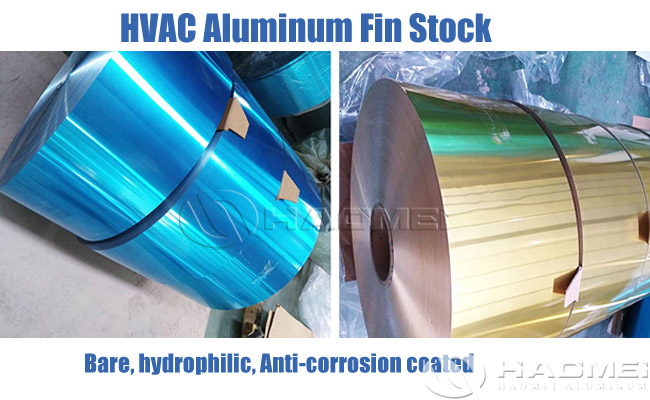 Алюминиевый ребер HVAC
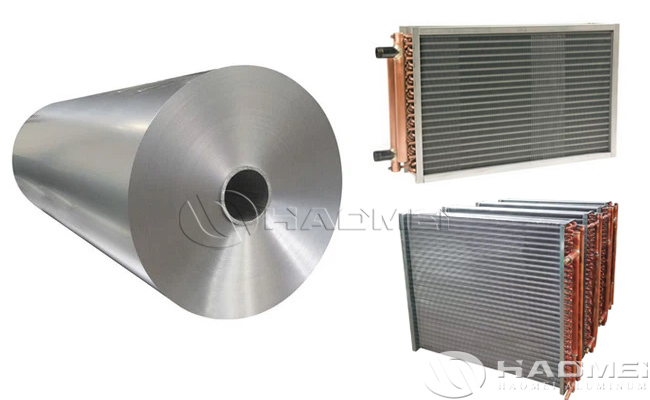 Алюминиевая фольга для кондиционеров
 Золотой гидрофильный алюминиевый ребристый приклад
 Промышленный рулон алюминиевой фольги Jumbo
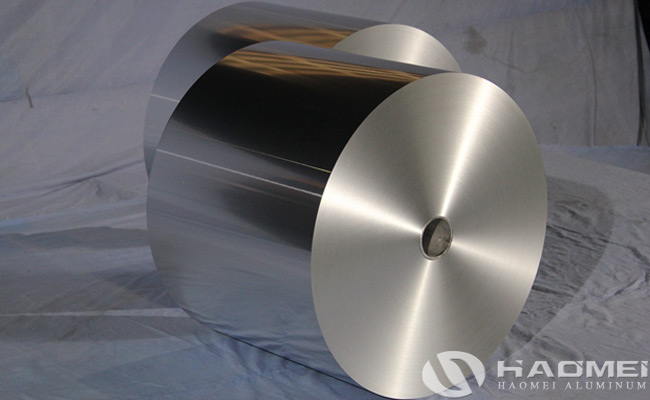 Китайские промышленные рулоны алюминиевой фольги