Para intercambiadores de calor de aire acondicionado., El valor central del papel de aluminio hidrófilo no es simplemente lograr el objetivo inicial del ángulo hidrófilo., sino más bien mantener capacidades estables de drenaje hidrófilo bajo fluctuaciones de temperatura a largo plazo, escorrentía continua de condensado, y la erosión ambiental. La industria comúnmente sufre el problema de “Excelente hidrofilicidad en nuevos productos., pero una degradación significativa del rendimiento después 1-2 años de uso,” lo que conduce directamente a una mayor resistencia del aire, disminución de la eficiencia del intercambio de calor, y aumento del ruido de funcionamiento en los intercambiadores de calor. Haomei aluminio, a través de una doble innovación en formulaciones de recubrimientos hidrofílicos reticulados y procesos de anclaje de interfaz, ha creado duradero y estable Papel de aluminio hidrófilo para intercambiadores de calor de CA., ralentizar significativamente la tasa de degradación de la hidrofilicidad. Estos productos cubren todas las categorías de escenarios de intercambio de calor., incluyendo aires acondicionados residenciales, sistemas multisplit comerciales, y unidades de bomba de calor, y hemos pasado múltiples certificaciones como EU RoHS y US UL, y se exportan en lotes a más de veinte países y regiones de todo el mundo.
El logro del rendimiento hidrófilo a largo plazo proviene del diseño a nivel molecular de la estructura de red tridimensional reticulada dentro del recubrimiento.. Los recubrimientos hidrófilos convencionales son en su mayoría películas físicas lineales a base de resina.. Después de una inmersión prolongada en condensado, Los grupos hidrófilos se disuelven fácilmente y se pierden., lo que lleva a un rápido aumento en el ángulo de contacto. Nuestro recubrimiento hidrofílico utiliza resina acrílica modificada como cuerpo principal., introducción de un agente reticulante de siloxano para construir una estructura molecular de red tridimensional, anclar firmemente grupos hidrófilos como enlaces hidroxilo y éter a los nodos de la red de reticulación. Simultáneamente, se coloca una capa de transición en la parte inferior del recubrimiento, lograr una unión estrecha entre el recubrimiento y la película de pasivación del sustrato de aluminio mediante unión química. Las pruebas de terceros muestran que el ángulo de contacto inicial con el agua del producto terminado es consistentemente ≤10°. Después 500 Horas de prueba de envejecimiento de lavado continuo de condensado., el aumento del ángulo de contacto es ≤8°, y la tasa de retención de hidrofilicidad a largo plazo es aproximadamente 30% superior al de los productos convencionales de la industria, Asegurar que la eficiencia del intercambio de calor no disminuya significativamente durante toda la vida útil del aire acondicionado..
El drenaje estable se traduce directamente en ganancias cuantificables de eficiencia en el intercambio de calor. los papel de aluminio hidrofílico permite que el condensado se extienda rápidamente formando una película de agua uniforme en la superficie de la aleta, eliminando el “puente de agua” Bloqueo entre aletas y reducción significativa de la resistencia a la ventilación.. Los datos de prueba reales muestran que en condiciones de enfriamiento estándar, Los intercambiadores de calor que utilizan papel de aluminio hidrófilo de larga duración presentan una resistencia a la ventilación entre un 10% y un 14% menor y una eficiencia general de intercambio de calor entre un 6% y un 11% mayor en comparación con los que utilizan papel de aluminio simple.. En condiciones de deshumidificación de alta humedad, La velocidad de drenaje aumenta en más de 40%, y el ruido del goteo se reduce entre 3 y 5 decibeles. Para escenarios de bomba de calor de baja temperatura, También podemos proporcionar una solución hidrófila modificada de baja energía superficial., retrasar el tiempo de inicio del glaseado aproximadamente 20%, acortar el ciclo de descongelación, y mejorar la estabilidad operativa en entornos de baja temperatura.
El sistema de capa subyacente de pasivación sin cromo que lo acompaña garantiza simultáneamente tanto la resistencia a la corrosión como la adhesión del recubrimiento.. Empleamos un proceso de pasivación compuesto de titanio y circonio para formar una película de conversión densa de 20 a 50 nm de espesor sobre la superficie del sustrato de aluminio., proporcionando una interfaz de adhesión robusta para el recubrimiento hidrófilo y estableciendo la primera línea de defensa contra la corrosión. El producto terminado puede resistir entre 480 y 720 horas de pruebas de niebla salina neutra., logra una clase 0 estándar en pruebas de adherencia transversal, y no presenta descamación, agrietamiento, o espolvorear después 200 ciclos de ciclado térmico de -20°C a 120°C, Adaptarse completamente al duro entorno operativo de los intercambiadores de calor de aire acondicionado con condiciones secas y húmedas alternas a largo plazo y cambios frecuentes de temperatura..
Un control de proceso de circuito cerrado durante todo el proceso garantiza un rendimiento constante en entregas de gran volumen. Utilizamos una línea de producción de recubrimiento en rollo continuo de alta velocidad equipada con un medidor de espesor de recubrimiento en línea y un dispositivo de detección rápida del ángulo de contacto para monitorear el espesor del recubrimiento y el grado de curado en tiempo real., control de la desviación del espesor del recubrimiento de un solo rodillo dentro de ±0,2 μm. El sustrato se puede seleccionar de varias aleaciones tales como 8011, 3003, y 1060, con espesores que oscilan entre 0,08 y 0,20 mm. El ancho se puede personalizar según los moldes de aletas del cliente., Adaptándose a líneas de producción de estampado de aletas de alta velocidad de 1200 golpes/minuto. El proceso de estampado no se pega al molde ni se desprende polvo., con una tasa de agrietamiento del borde ≤0,2%, Y la tasa de rendimiento general para la producción en masa del cliente se mantiene estable en más de 99.6%.
Como material funcional central en sistemas de intercambio de calor de aire acondicionado., El valor del papel de aluminio hidrofílico de larga duración se manifiesta en última instancia en una mayor eficiencia energética y una mayor vida útil de los productos finales.. Haomei Aluminium optimiza continuamente las formulaciones de recubrimientos y los procesos de fabricación, Proporcionar soluciones hidrofílicas personalizadas basadas en los clientes.’ diferentes condiciones de funcionamiento del equipo, entornos climáticos, y objetivos de eficiencia energética. Este rendimiento estable, confiable y duradero ayuda a los fabricantes mundiales de aire acondicionado a crear productos de intercambio de calor más competitivos..



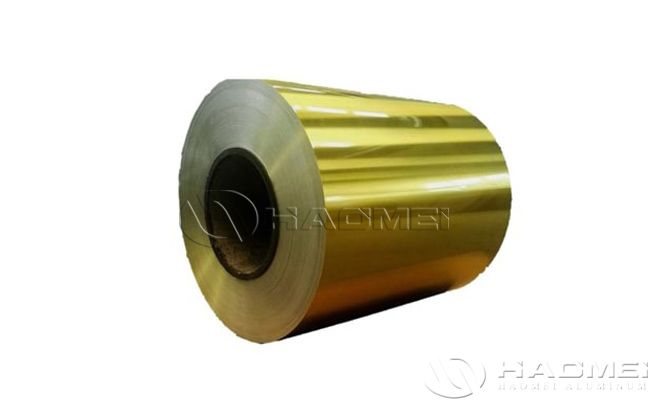 Papel de aluminio recubierto de epoxi anticorrosión para aire acondicionado
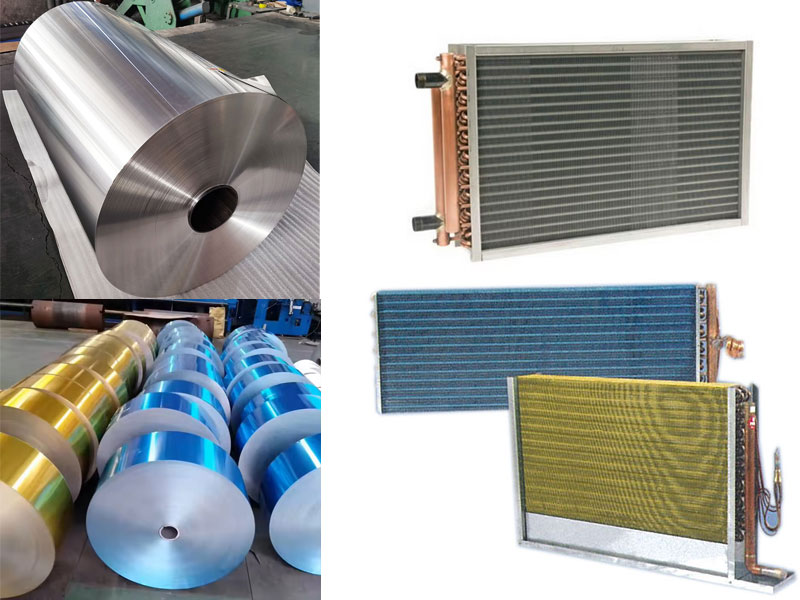 Stock de aletas de aluminio para intercambiadores de calor
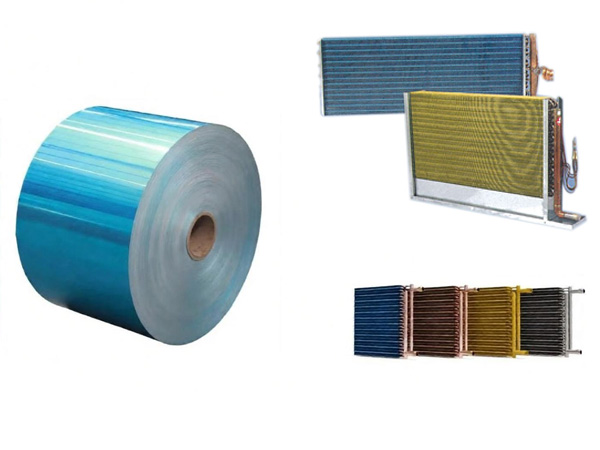 Papel de aluminio hidrofílico para intercambiador de calor de CA
 8011 Papel de aluminio hidrofílico:Materiales de aletas en aire acondicionado
 Papel de aluminio dorado para aire acondicionado