



Catégories
- De nouvelles Haomei (354)
Ayant été engagé dans le R&D et production de papier d'aluminium pour la climatisation depuis plus de 15 années, J'ai toujours pensé que la sélection des matériaux des ailerons devait être ancrée aux conditions d'exploitation réelles.. Une feuille d'aluminium hydrophile ordinaire est suffisante pour les applications civiles intérieures, mais face à des environnements de corrosion sévères tels que les brouillards salins côtiers, gaz d'échappement acides dans les zones industrielles, et une humidité et une température élevées, les revêtements organiques conventionnels montrent souvent des signes de poudrage, peeling, et la corrosion du substrat à l'intérieur 2-3 années, conduisant finalement à une chute abrupte de l’efficacité de l’échange thermique. Haomei anti-corrosion Feuille d'aluminium enduite d'époxy pour climatiseur est une solution spécialisée développée spécifiquement pour ces conditions de corrosion sévères. Utilisation d'une résine époxy à haute densité de réticulation comme couche protectrice centrale, combiné avec un processus de renforcement, il atteint un équilibre précis entre une protection durable contre la corrosion et une adaptabilité au moulage. Actuellement, il a été produit en série et fourni aux projets commerciaux de climatisation et de pompes à chaleur dans les zones côtières du Moyen-Orient et les zones industrielles d'Amérique du Sud., avec une durée de vie mesurée des ailettes plus du double de celle d'une feuille hydrophile ordinaire.
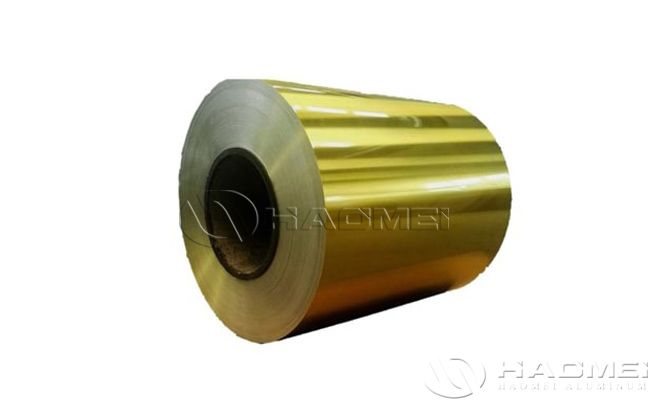
Le cœur de la protection contre la corrosion du revêtement époxy réside dans la double amélioration de l’effet de blindage haute densité et de la force de liaison de l’interface.. Beaucoup feuille d'aluminium de climatiseur les fabricants comptent simplement sur l’augmentation de l’épaisseur du revêtement pour améliorer la résistance à la corrosion, ce qui, je pense, est une approche inefficace. Une épaisseur de revêtement excessive augmente non seulement la résistance thermique et les coûts, mais conduit également facilement à des contraintes internes inégales., ce qui le rend plus sujet à l'écaillage lors de l'estampage. Notre solution commence par la structure moléculaire, utilisant une résine époxy de bisphénol A combinée à un agent de durcissement à base d'amine modifiée. Grâce à un contrôle précis de la température et à un durcissement, nous construisons un revêtement réseau tridimensionnel à haute densité de réticulation. Une épaisseur de film de 3 à 5 μm permet d'obtenir des effets de barrière à l'eau et à l'oxygène extrêmement puissants. La couche sous-jacente est un film de conversion par passivation titane-zirconium à l'échelle nanométrique., qui lie chimiquement le revêtement époxy au substrat en aluminium de manière “ancré” lier, plutôt qu'une simple adhésion physique. Les tests réels montrent que le revêtement atteint un indice d'adhérence transversale de 0. Après 200 cycles de choc thermique de -30°C à 120°C, il n'y avait pas de cloques, peeling, ou des fissures, évitant fondamentalement le risque de corrosion du substrat causée par une défaillance du revêtement.
Cette résistance rigoureuse à la corrosion constitue le cœur de la compétitivité de la feuille d'aluminium à revêtement époxy.. Tirer parti d’une ligne de production de revêtement en rouleau continu entièrement fermée, nous avons obtenu un écart d'uniformité de l'épaisseur du revêtement de ≤ ± 0,3 μm. Les produits finis réussissent systématiquement 1000 heures de test au brouillard salin neutre, avec des formulations améliorées atteignant 1500 heures, 2–3 fois celui de l'ordinaire feuille d'aluminium hydrophile bleue. Pour les scénarios de corrosion acide courants dans les zones industrielles, nous, Haomei Aluminium, avons complété le test avec des tests de corrosion au dioxyde de soufre. Dans des conditions de concentration de 25 ppm, 40℃ température, et 90% humidité, les ailerons ne présentaient aucune tache de rouille évidente après 480 heures de tests continus; simultanément, ils ont résisté 720 heures d'immersion dans 5% solution de chlorure de sodium sans écaillage du revêtement. Il convient de mentionner que nous effectuons des tests de simulation environnementale pour les sites de projets de clients clés., plutôt que de se fier uniquement aux données standards sur le brouillard salin, c'est pourquoi nos produits ont une plus grande adaptabilité aux applications locales.
Tout en garantissant la résistance à la corrosion, Haomei a également pleinement pris en compte l'adaptabilité aux clients en aval’ production d'emboutissage. Les revêtements époxy purs sont relativement durs et sujets au poudrage et à l'écaillage des bords lors de l'estampage à grande vitesse., un problème courant avec de nombreux produits similaires. En introduisant des composants de durcissement en polyuréthane flexibles dans le système époxy, nous optimisons la ténacité du revêtement sans compromettre la résistance à la corrosion. Combiné avec 8011 ou 3003 feuille d'aluminium comme substrat dans les états H22/H24, il peut s'adapter de manière stable aux lignes de production d'ailerons à grande vitesse avec 1000 coups/minute. Il n'y a pas de fissures ou de pelage du revêtement au niveau des brides des ailettes., et la hauteur des bavures à la coupe est ≤0,01 mm. Le rendement global de la production de masse reste constamment supérieur 99.5%. L'épaisseur du produit couvre 0,10 à 0,20 mm, et la largeur peut être personnalisée selon les moules du client, compatible avec les équipements d'estampage mondiaux courants.
Du point de vue des applications pratiques, Je conseille généralement aux clients de sélectionner en fonction de leurs besoins: Les scénarios civils intérieurs ne nécessitent pas de configuration excessive, tandis que pour la climatisation commerciale, unités extérieures de pompe à chaleur, et équipements de refroidissement industriels dans les zones côtières, parcs industriels chimiques, et zones minières, feuille d'aluminium enduite d'époxy est une solution très rentable à long terme. Nous pouvons ajuster la formule du revêtement et le niveau de résistance à la corrosion en fonction des conditions de fonctionnement spécifiques du client., fournir une assistance technique complète du processus, depuis la sélection des matériaux jusqu'à l'adaptation des paramètres d'emboutissage, aider les clients à maximiser la durée de vie et la stabilité opérationnelle des équipements d'échange thermique dans une fourchette de coûts raisonnable.
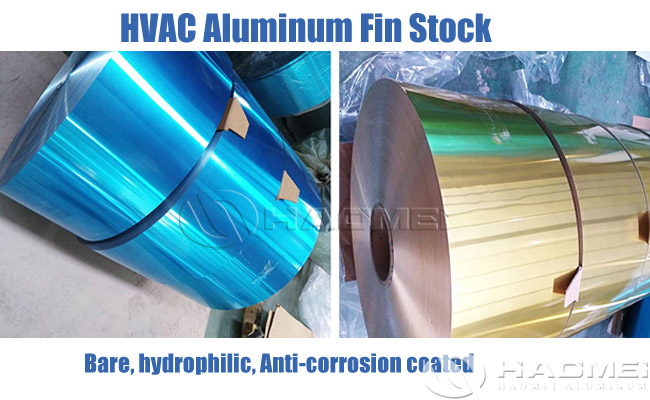 Stock d'ailerons en aluminium CVC
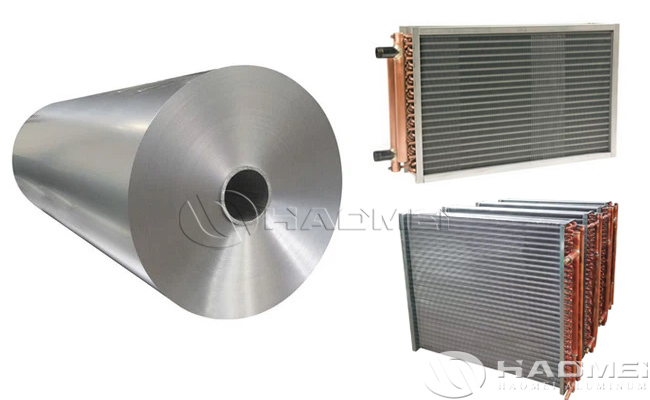 Feuille d'aluminium nue pour climatiseurs
 Stock d'ailerons en aluminium hydrophile doré
 Rouleau géant de papier d'aluminium industriel
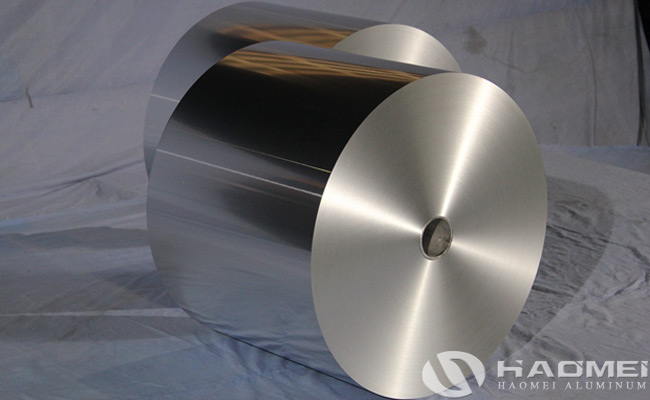 Rouleaux de papier d'aluminium industriels en Chine