



categorías
- Noticias de Haomei (354)
Culata de aletas de aluminio para intercambiadores de calor. no es simplemente una fina lámina de aluminio; Es un portador funcional central que determina la eficiencia operativa a largo plazo y la vida útil de los equipos de intercambio de calor.. Muchos dispositivos de la industria experimentan una disminución de la eficiencia del intercambio de calor., Colapso de aleta, y corrosión después 2-3 años de operación. Estas cuestiones están esencialmente relacionadas directamente con la selección., diseño, y precisión de fabricación del material de las aletas. Basado en más de diez años de experiencia en el mercado global, Haomei Aluminium ha realizado ingeniería inversa en su sistema de materiales a partir de tres mecanismos de falla centrales: decaimiento del intercambio de calor, falla de formación, y degradación por corrosión. Esto ha llevado al lanzamiento de productos con aletas de aluminio para intercambiadores de calor, ampliamente adaptables a diversos escenarios, como el aire acondicionado., bombas de calor, refrigeración industrial, y el intercambio de calor en automóviles, Proporcionar soporte material fundamental para el funcionamiento estable a largo plazo del equipo..
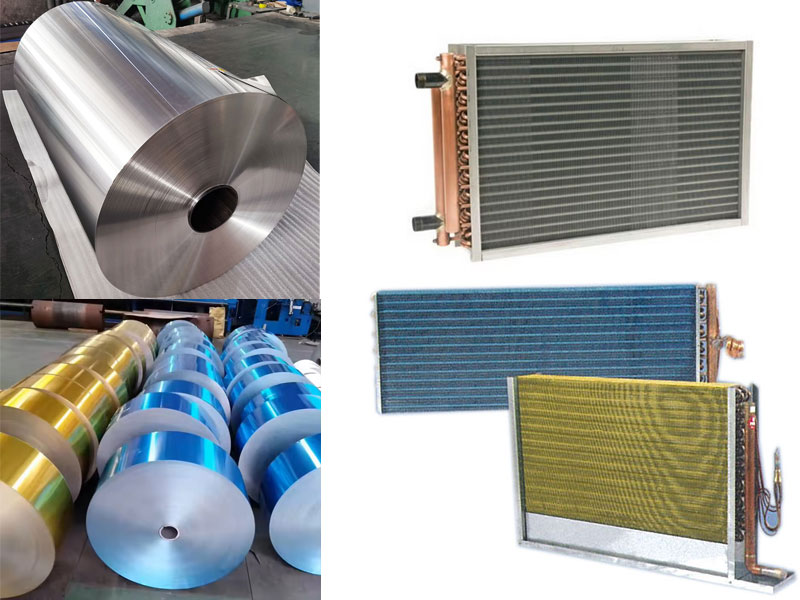
Para abordar la disminución a largo plazo de la eficiencia del intercambio de calor, Nos centramos tanto en la conductividad térmica intrínseca del sustrato como en el control de la resistencia térmica del revestimiento.. La disminución de la eficiencia del intercambio de calor se debe a dos aspectos: Engrosamiento del grano del sustrato de aluminio bajo operación a alta temperatura a largo plazo y mayor resistencia al aire causada por el envejecimiento del recubrimiento y la acumulación de condensación.. Controlando con precisión el tratamiento térmico de homogeneización y los procesos de recocido intermedio durante la etapa de fundición y laminación., mantenemos establemente el tamaño de grano del sustrato dentro del rango de 20 a 30 μm. Esto garantiza que la conductividad térmica del sustrato disminuya en ≤2% después de un funcionamiento prolongado del equipo., superando con creces el promedio de la industria del 3% al 5%. Específicamente, la conductividad térmica del 1060 el papel de aluminio permanece estable arriba 235 con/(m·K), y el de la 8011 el papel de aluminio queda arriba 220 con/(m·K). Simultáneamente, Controlamos estrictamente la uniformidad del espesor del recubrimiento., con una desviación del espesor del recubrimiento de un solo rodillo de ≤±0,2 μm y una resistencia térmica adicional total controlada dentro de 0.00015 m²·K/W. Combinado con una fórmula hidrófila de larga duración., Esto da como resultado una tasa de retención de eficiencia de intercambio de calor que es más que 8% más alto que los productos normales después 3 años de operación.
Para abordar fallas de estampado de alta velocidad, Hemos establecido un sistema de control de consistencia de propiedades mecánicas y dimensionales a nivel de micras.. Fallas en las bridas, como grietas en los bordes., rebabas excesivas, y la desalineación alimentaria en la producción de aletas se debe a stock de aletas de aluminio espesor, mala forma del plato, y fluctuaciones en las propiedades mecánicas del mismo rollo.. Empleamos un laminador en frío de precisión de cuatro rodillos combinado con un sistema de medición de espesor en línea de circuito cerrado para controlar estrictamente la tolerancia de espesor de toda la bobina dentro de ±1,5 μm y la planitud de la lámina ≤5I.. Mediante control de temperatura por zonas en el horno de recocido continuo, logramos una desviación de la resistencia a la tracción de ≤5MPa dentro de la misma bobina y una fluctuación del límite elástico controlada dentro 4%. El producto terminado es establemente compatible con las líneas de producción de estampado de aletas de alta velocidad de 1200 golpes/minuto, con una tasa de agrietamiento del borde de la aleta ≤0,2% y una altura de rebaba ≤0,01 mm. Los clientes logran una tasa de rendimiento general estable de más de 99.6% en producción en masa, reduciendo significativamente el tiempo de inactividad para ajustes de moldes y costos de desperdicio de material.
Para abordar la degradación por corrosión ambiental, Hemos construido una matriz de material anticorrosión graduada y adaptable.. Los mecanismos de corrosión a los que se enfrentan las aletas difieren significativamente en diferentes condiciones de funcionamiento.: En ambientes interiores de alta humedad se caracterizan principalmente por la corrosión electroquímica del condensado., Las zonas costeras se ven afectadas por la corrosión por niebla salina., y las zonas industriales están sujetas a la corrosión por gases ácidos. Ofrecemos una solución de protección contra la corrosión de tres niveles.: el nivel básico utiliza aletas de aluminio desnudo sin cromo y titanio-circonio, con una resistencia neutra a la niebla salina de más de 240 horas, adecuado para ambientes interiores secos; el nivel avanzado utiliza un 8011 papel de aluminio con revestimiento compuesto hidrófilo, con una resistencia a la niebla salina de 480 a 720 horas, Cubre la mayoría de aplicaciones residenciales de aire acondicionado y comerciales en general.; el nivel mejorado utiliza un 3003 Papel de aluminio con una capa anticorrosión de película gruesa., con una resistencia a la niebla salina de más 1000 horas, Diseñado específicamente para equipos en áreas costeras e industrialmente contaminadas.. Este enfoque escalonado garantiza una protección confiable contra la corrosión y al mismo tiempo evita la redundancia de costos debido al sobrediseño..
Aprovechando nuestras capacidades de fabricación totalmente propia, Podemos personalizar las soluciones de materiales según las condiciones de funcionamiento reales., procesos de moldeo, y objetivos de vida útil de nuestros clientes’ equipo, proporcionando informes completos de pruebas de materiales y soporte de tecnología de moldeo. Aleta de aluminio existencias para intercambiadores de calor ya no es un estándar, consumible universal; bastante, Es un componente central para mejorar la confiabilidad y el valor del ciclo de vida de todo el dispositivo..
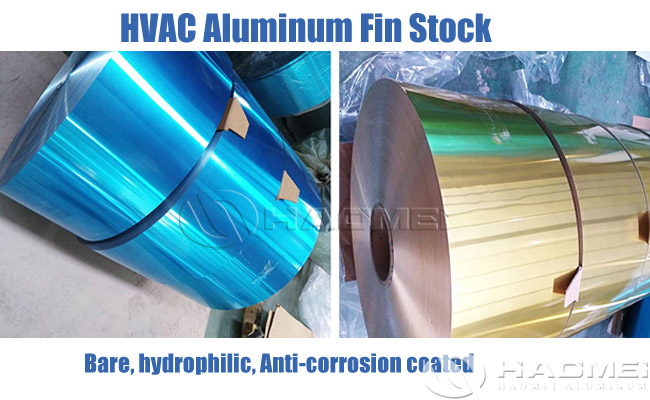 Stock de aletas de aluminio HVAC
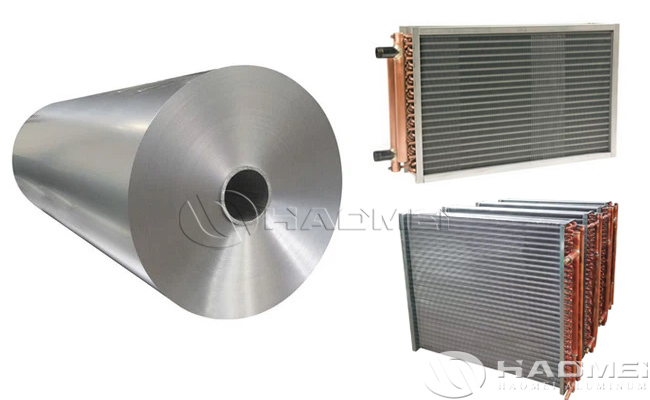 Lámina de aluminio desnuda para aires acondicionados
 Culata de aleta de aluminio hidrofílico dorado
 Rollo gigante de papel de aluminio industrial
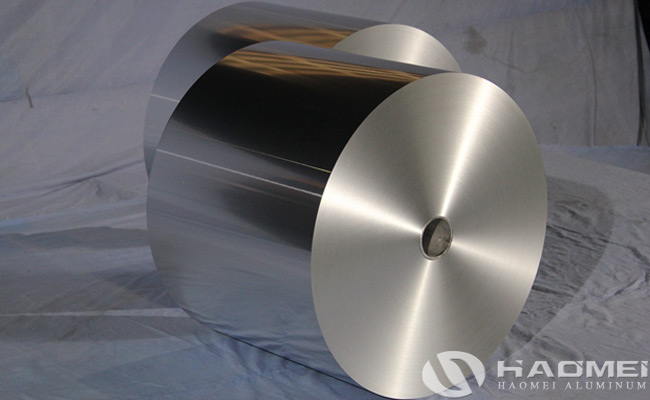 Rollos industriales del papel de aluminio de China